Progressing the hip flexor and pelvic control assessment into standing, a more functional position.
Isolating arm movement to identify movement patterns related to the shoulder girdle and ribcage.
Develop a fundamental understanding of your body’s ability to control rotation through the hips and torso.
Explore how your hip flexors function both as powerful movers and essential stabilisers. Through simple, guided movements, you’ll learn to isolate motion at the hip—building awareness and control that can make a real difference in the saddle.
Discover the theory of the muscles that make up your “core” and how they function together to control the movement of your spine, pelvis and ribcage and coordinate with the movement of the limbs. .
Discover how to use your pelvic floor to activate your “core” muscles, the key to developing automatic “dynamic” core stability.
What is equanimity - calmness and composure, especially in a challenging situation. I believe equanimity isn’t found in stillness, but in how we move; not in achieving balance, but in continually adjusting and rebalancing; and not in rigid steadiness, but in flexible, playful responsiveness.
I invite you to step back from what you think you know about your body and riding. The Equanimity Method encourages an open, observational approach, creating space to notice patterns and habits without judgement. This is where real change begins: not by doing more, but by seeing more clearly. We don’t fix or force, just start where you are, allowing movement to develop with softness, ease, for greater harmony with your horse.
Settle your nervous system to a calm, responsive state, allowing natural breathing and efficient movement pattern.

The theory behind a normal breathing pattern and its effects on the body, both mechanically via the musculoskeletal system and neurologically via the autonomic nervous system.
Utilising various techniques to assist in identifying your “baseline calm” state.
Utilising sensing as a technique for accessing the parasympathetic “rest and digest” nervous system.
Recognising and improving the mobility of your thoracic spine and ribcage to improve breathing efficiency.
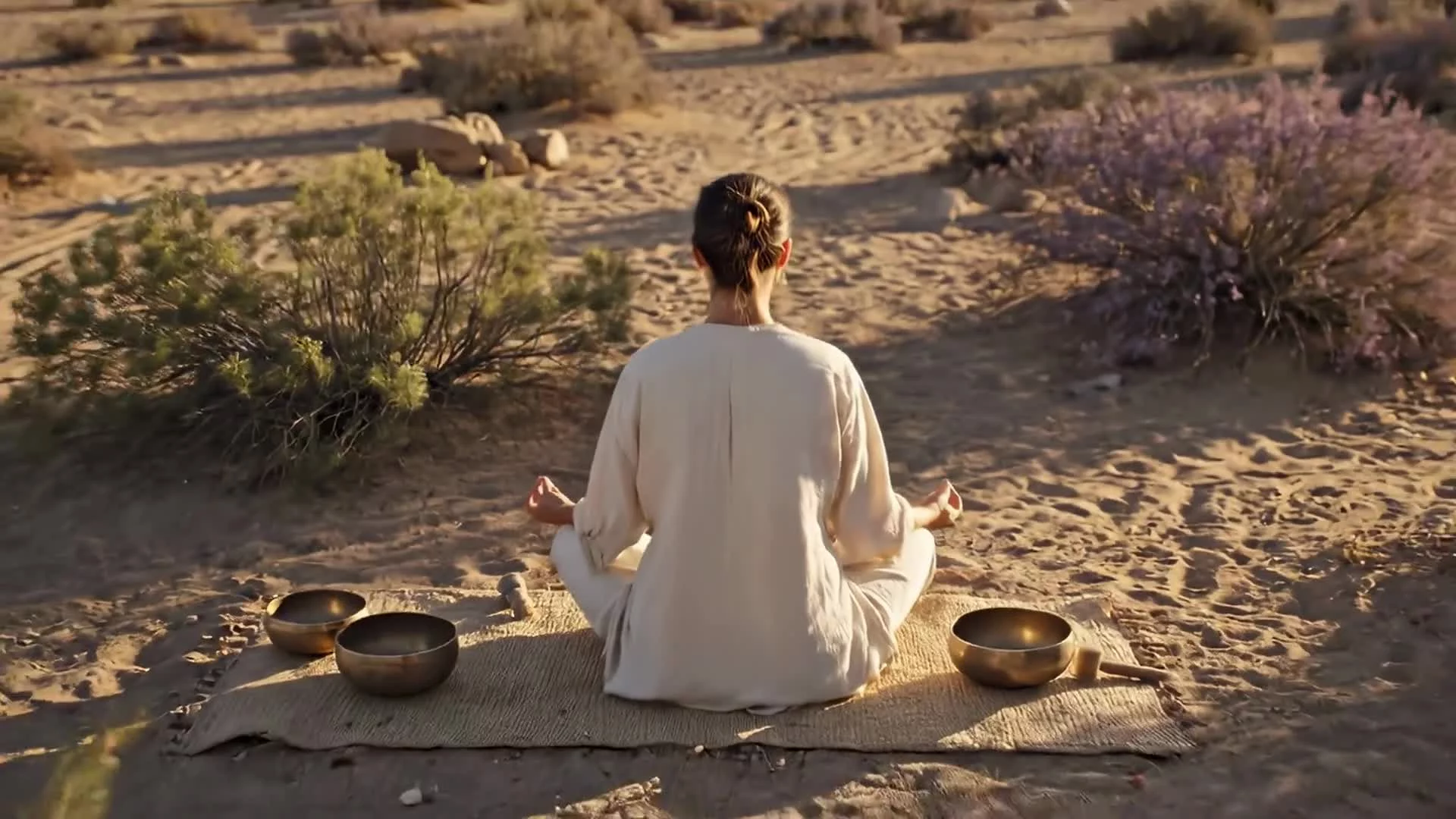
Utilising mindfulness to enable you to access the parasympathetic “rest and digest” nervous system and find calm and clarity.
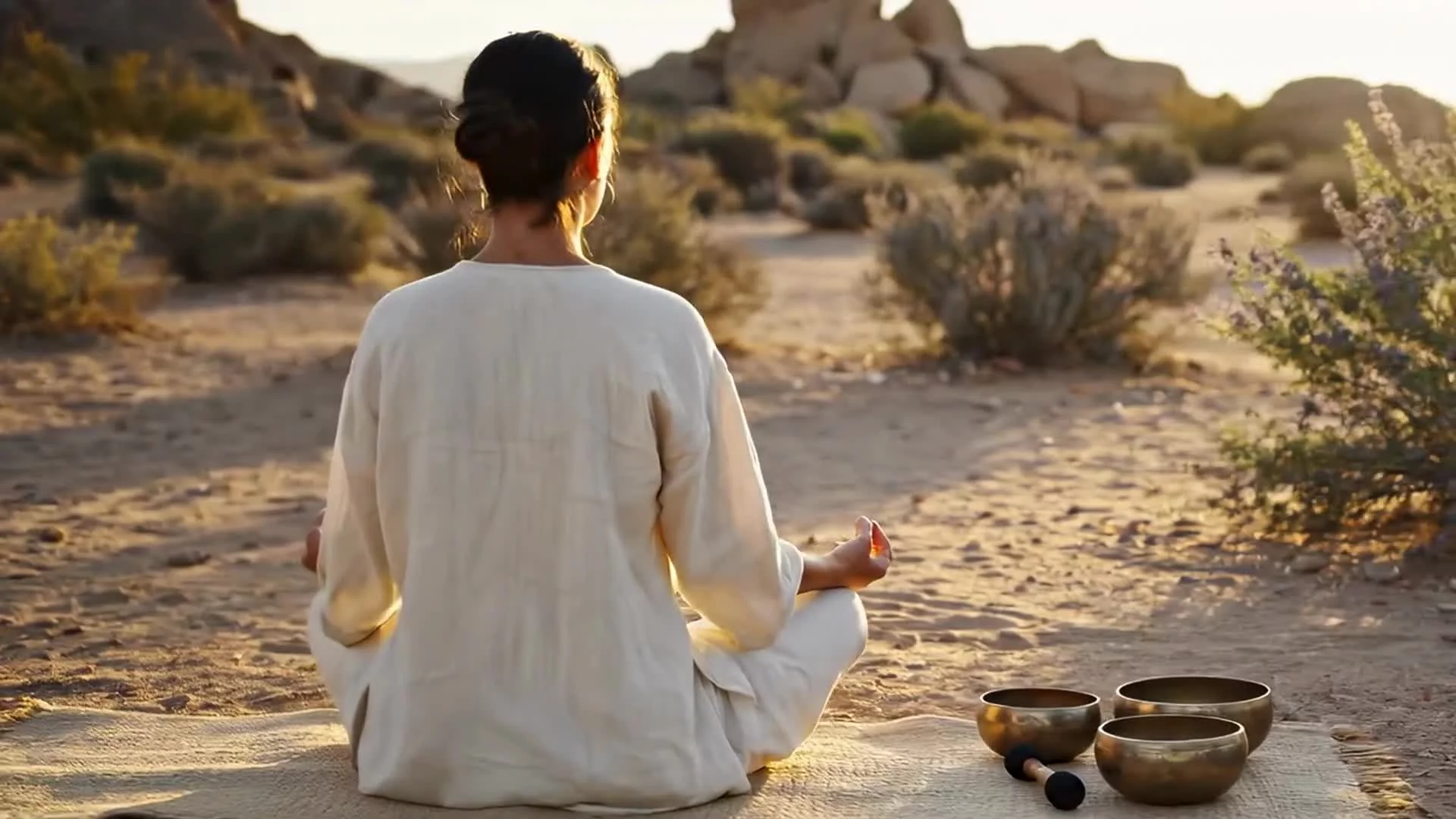
Taking your efficient breathing pattern and baseline calm feeling into upright sitting and then standing, taking you a step closer to applying this when in the saddle.
Taking the principles of Regulate to your horse. Starting with interacting with your horse on the ground, before transferring the Regulate observations and techniques into the saddle.
Wrapping up Regulate with a summary of the concepts covered and practiced, with guidance on how to take this forward in to the next steps.
Identify limiting movement patterns and isolate them to discover your awareness of where you need focus, to improve your movement patterns in and out of the saddle.
The beginnings of discovering awareness of pelvic movement - The Pelvic Tilt and “Neutral Spine”.

